TCIP Center Summer Retreat 2026
July 8 — 10, 2026
The Lodge at Bodega Bay
Bodega Bay, CA


About the Summer Retreat
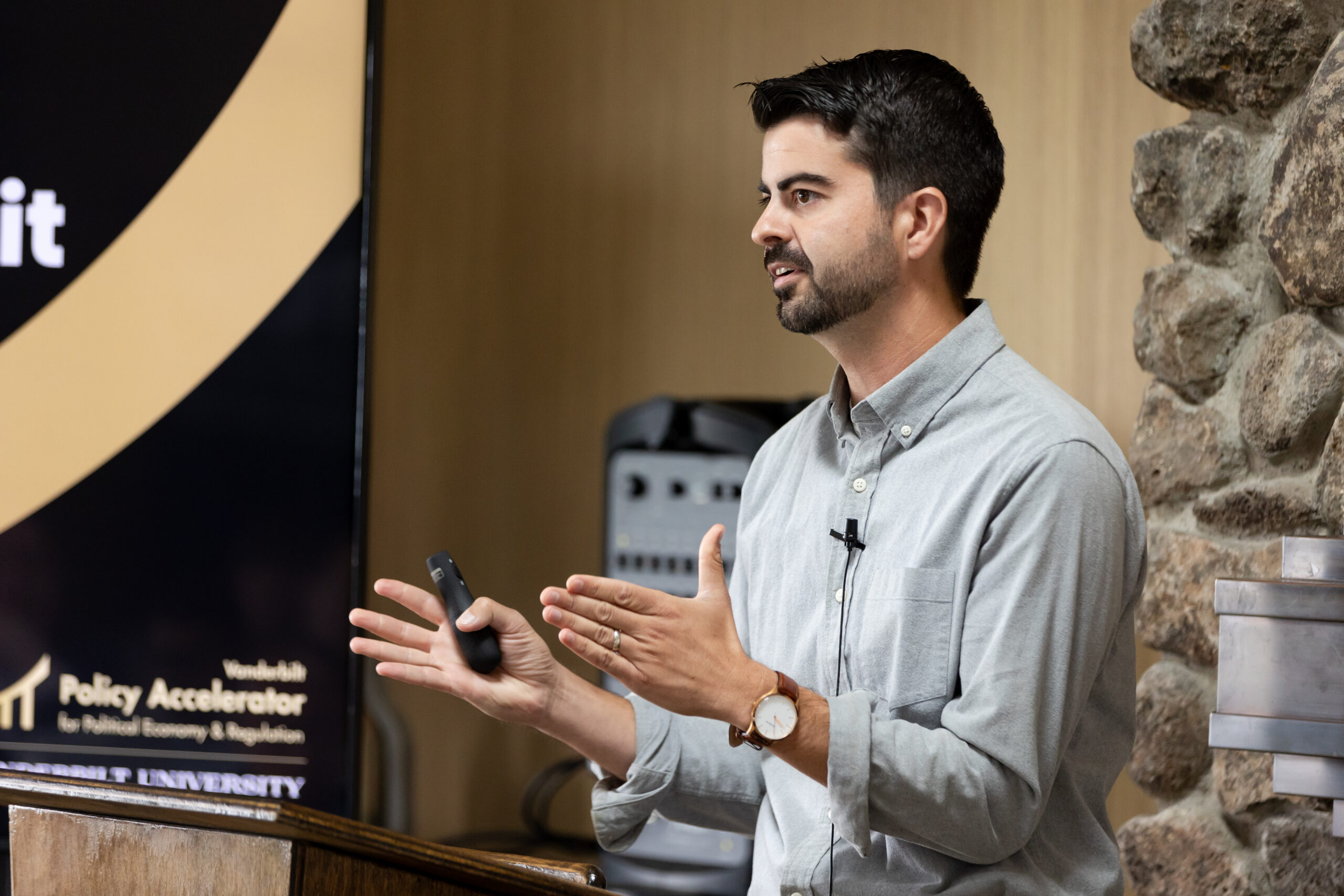
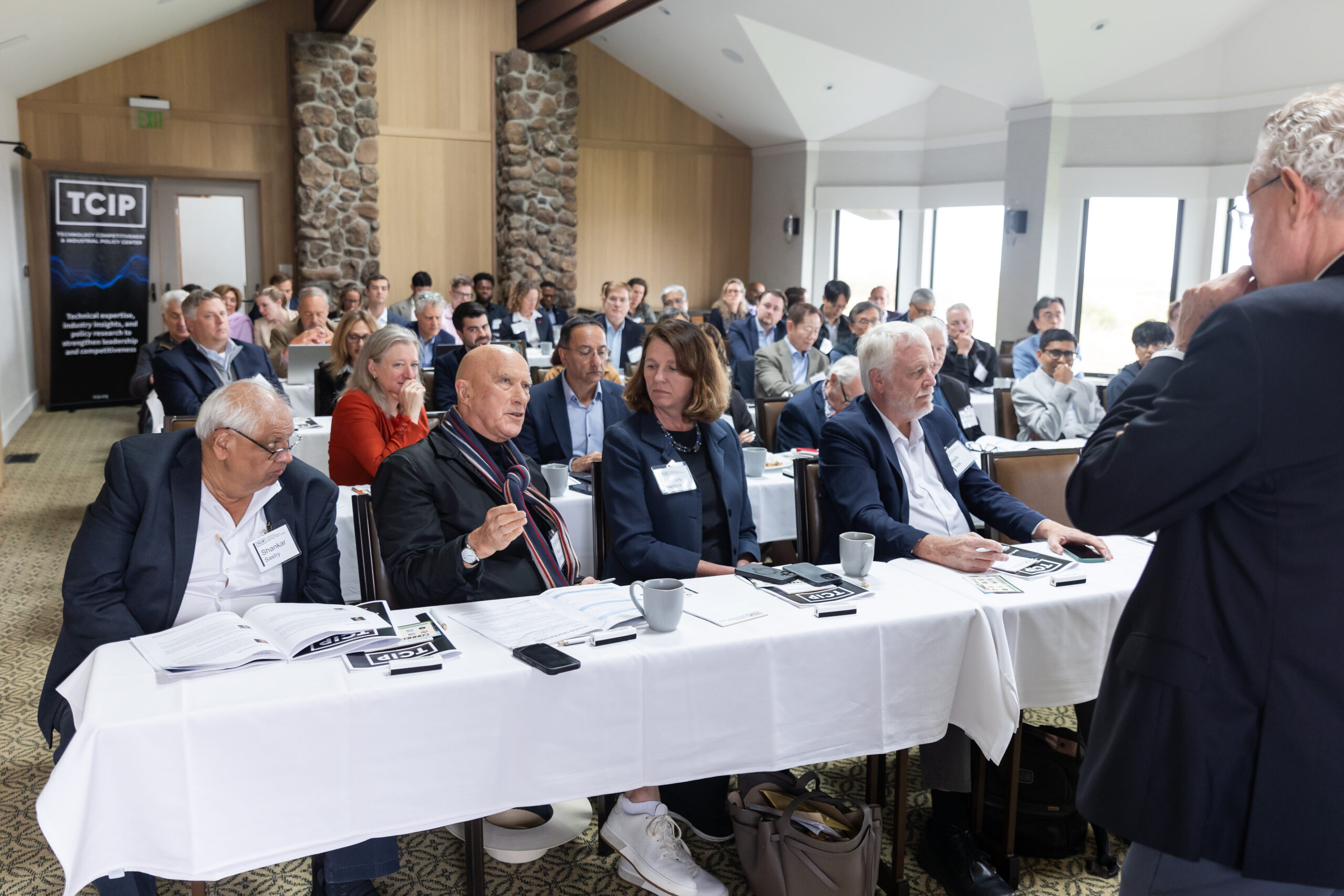
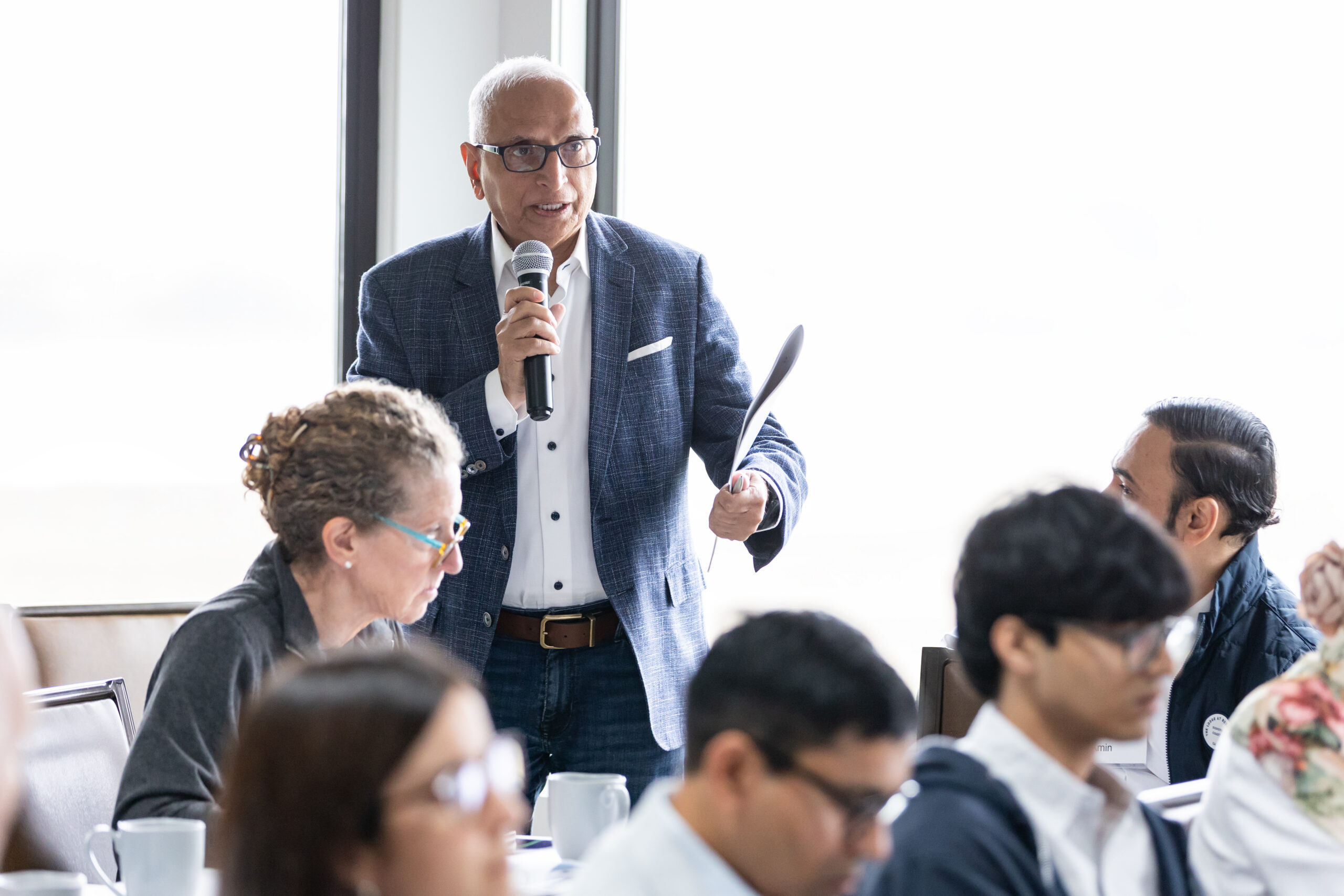
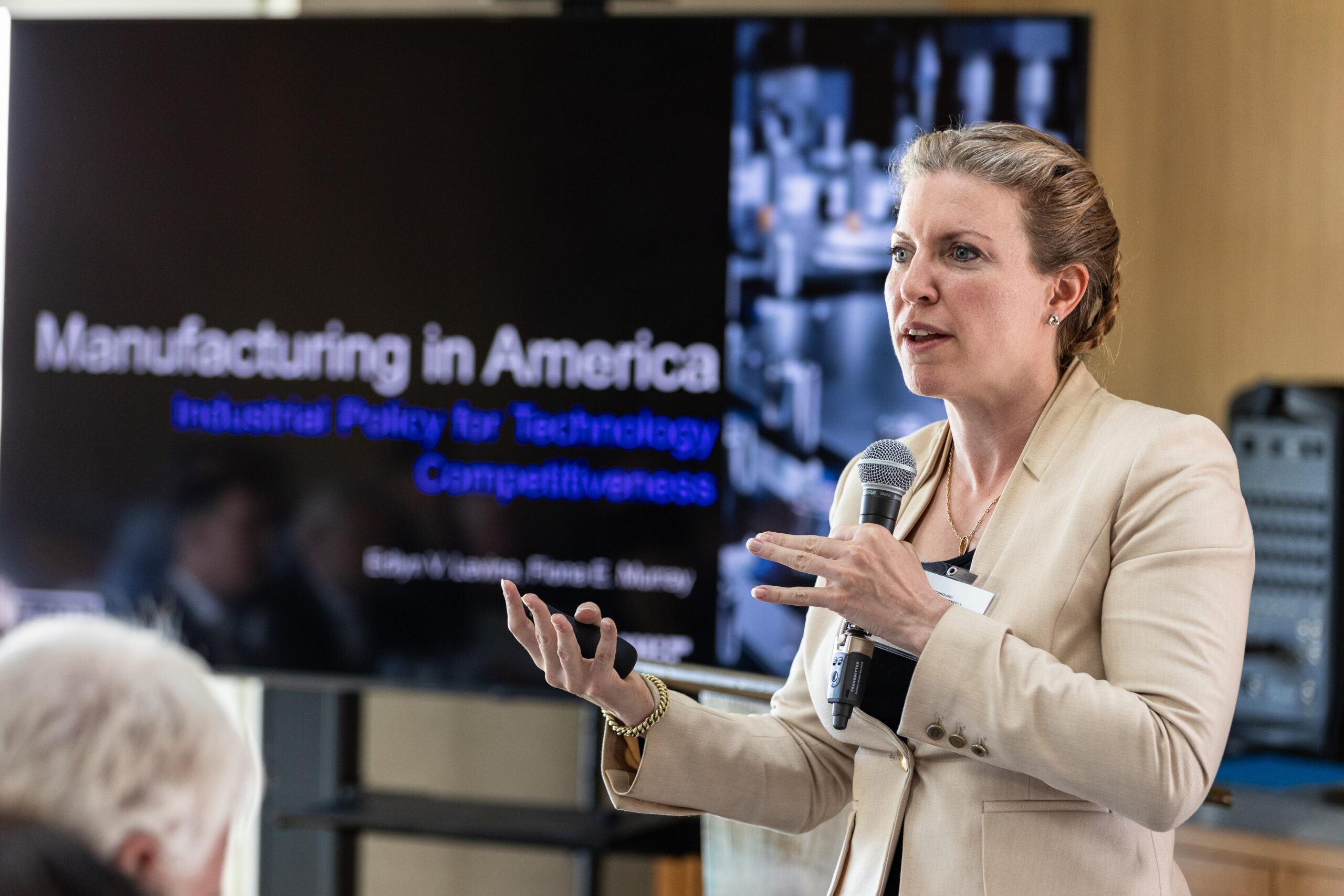
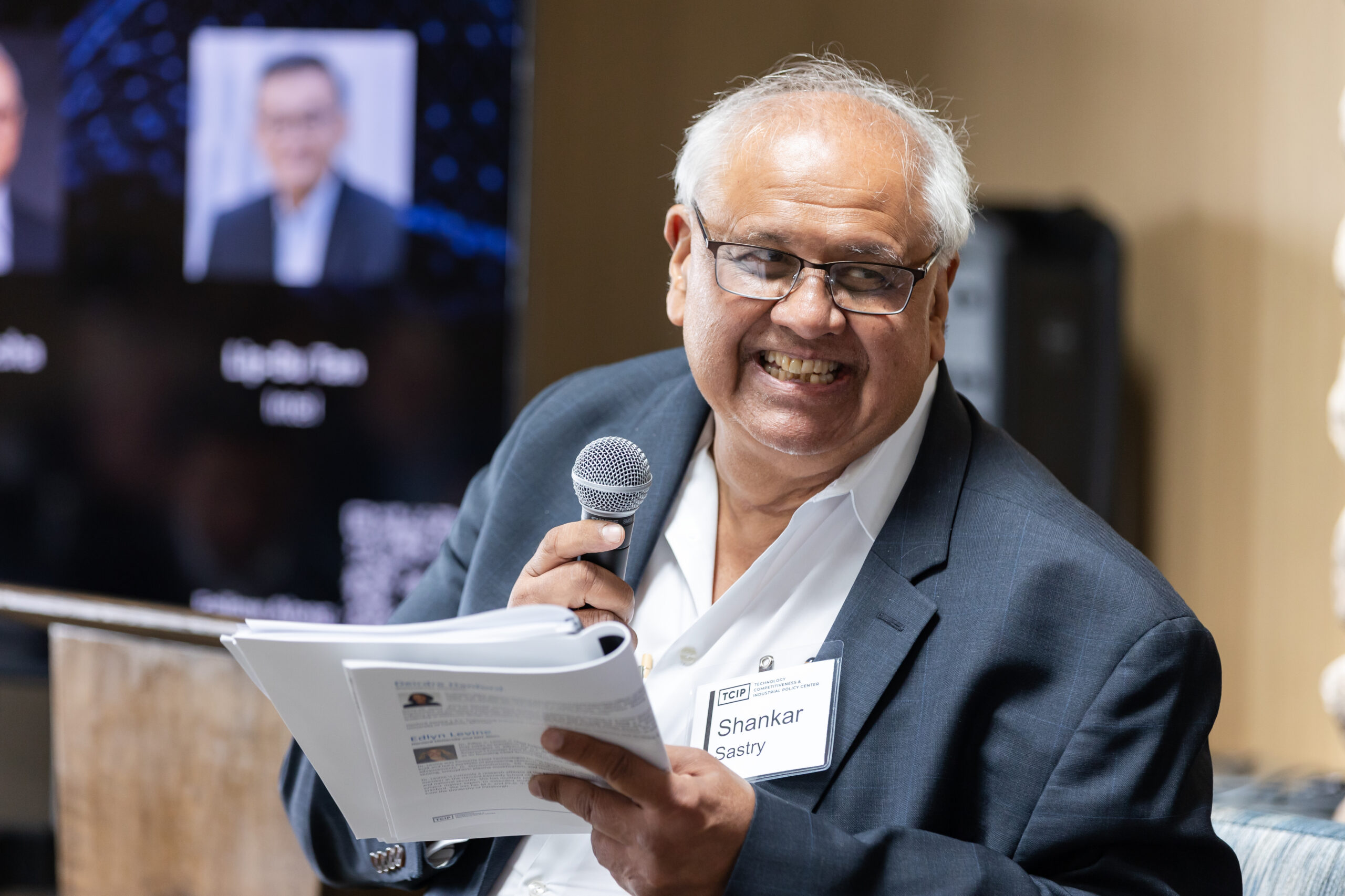
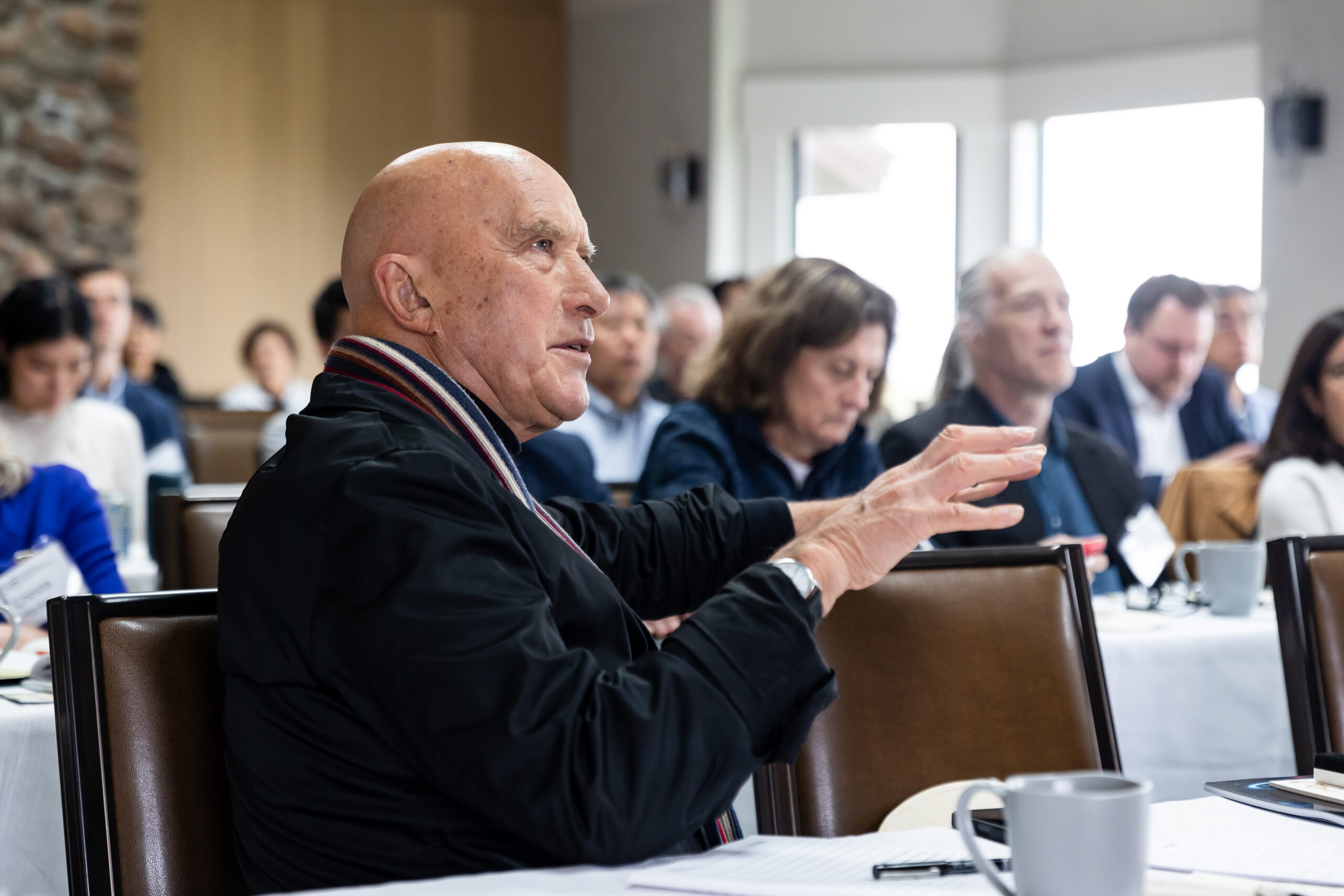
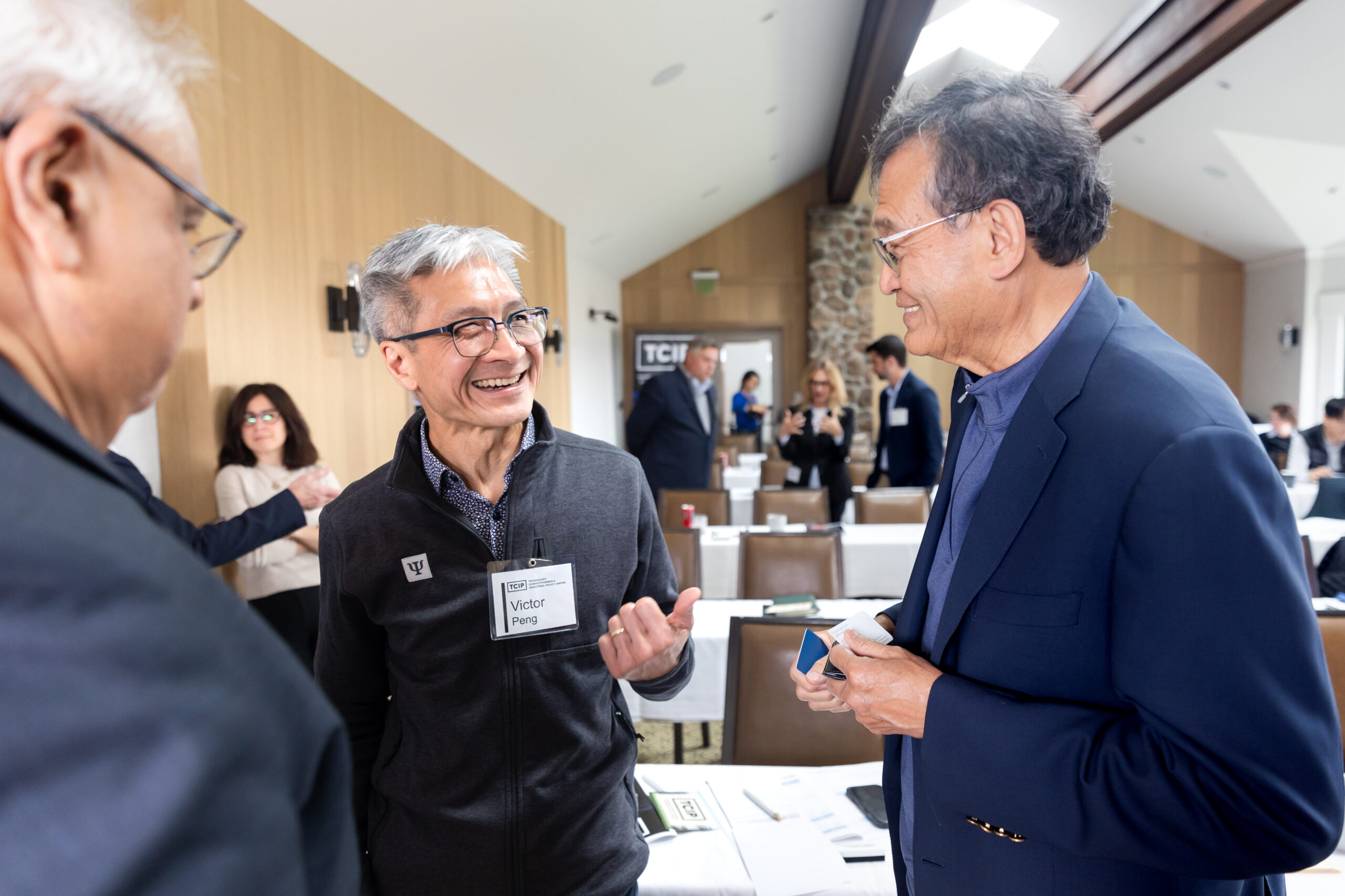
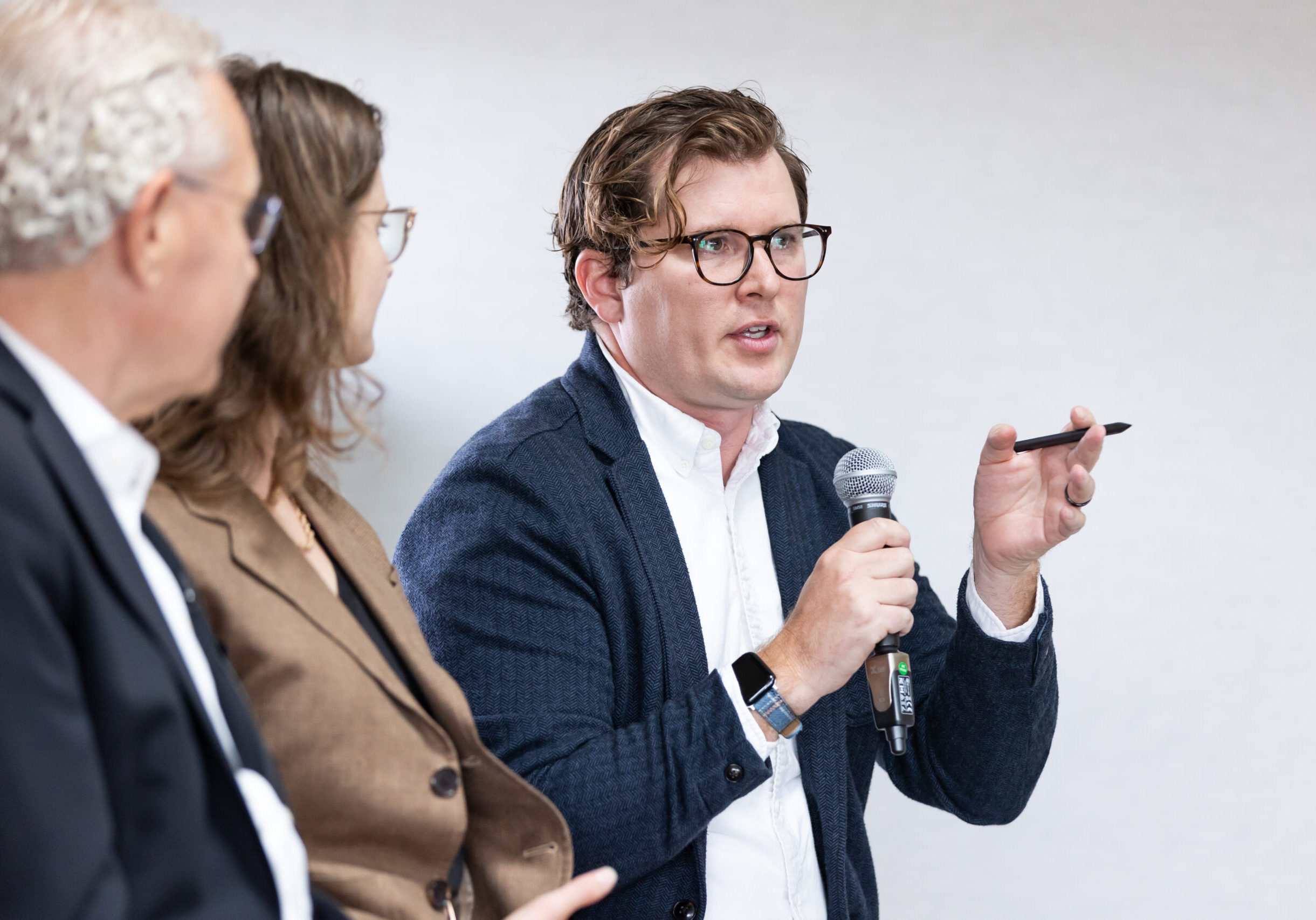
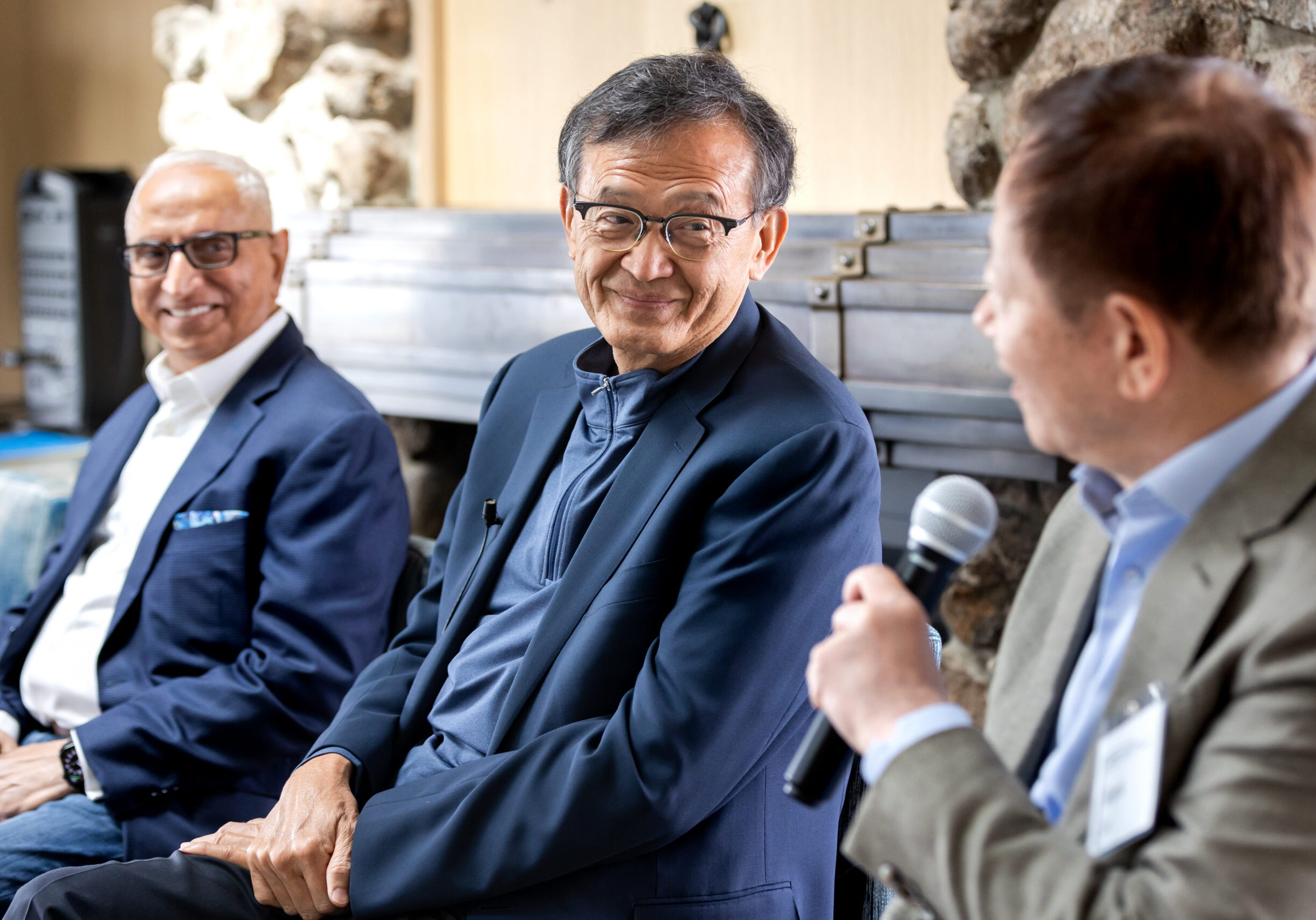
The 2nd Annual TCIP Center Summer Retreat welcomed distinguished participants from academia, industry, and government to explore ideas and activities that help realize the Center’s vision and mission to advance industrial policy in support of the nation’s technology competitiveness.
Across sessions, participants shared vigorous scholarly analysis in support of leadership in technology research, development, and advanced manufacturing. Speakers detailed industrial policy strategy crucial for the large-scale implementation of new and emerging technologies to meet global energy, industrial and infrastructural needs.
Participants reported they found the event informative, thought-provoking, and inspiring.

Speakers
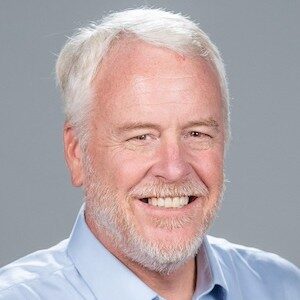
Mark Asta
University of California, Berkeley

Christophe Combemale
Carnegie Mellon University

Claire Cramer
University of California, Berkeley
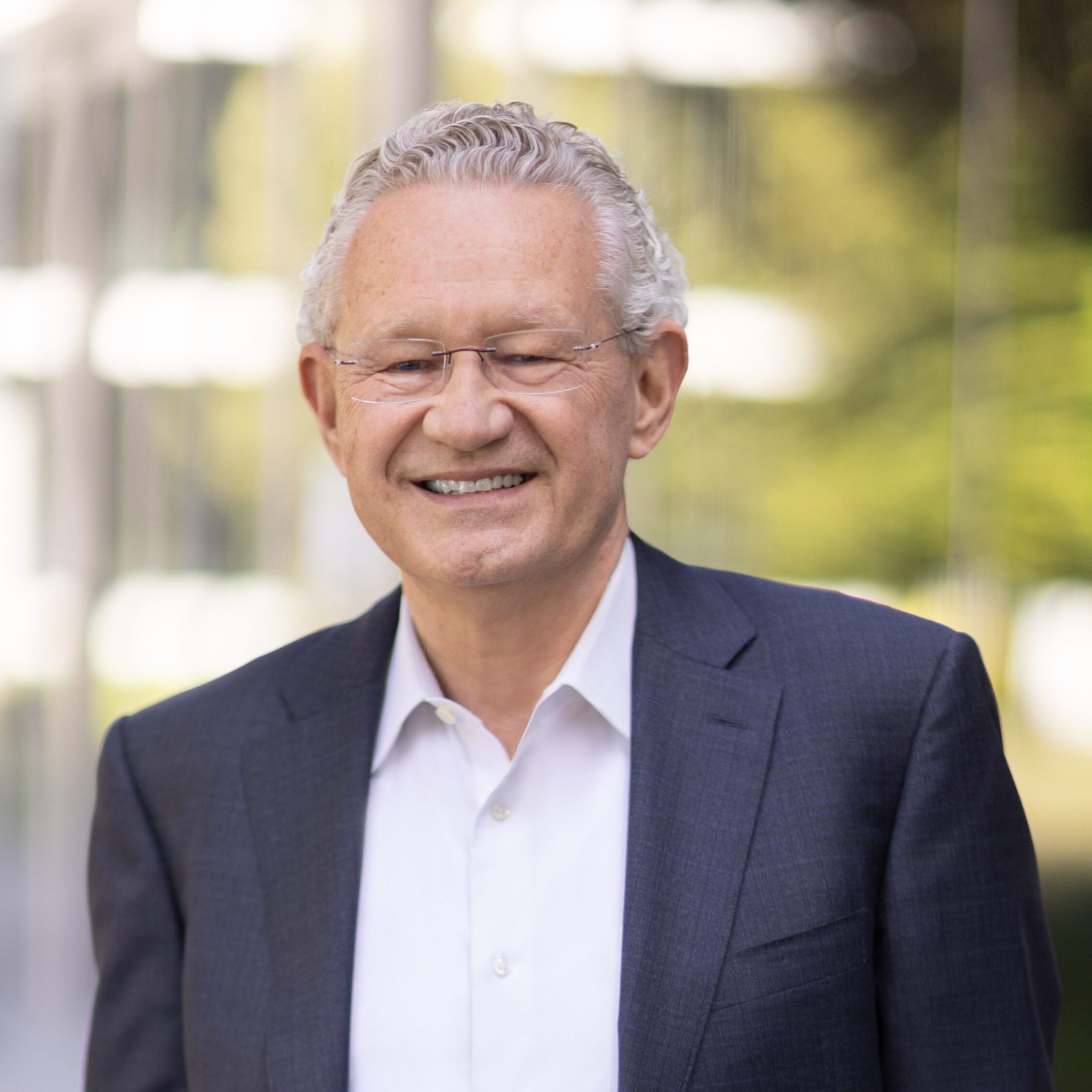
Aart de Geus
Synopsys, Inc.

Joel Dodge
Vanderbilt University

Galen Dods
BioMADE

Lee Flemming
University of California, Berkeley

Dierdre Hanford
Semiconductor Consultant

Edlyn Levine
Harvard University
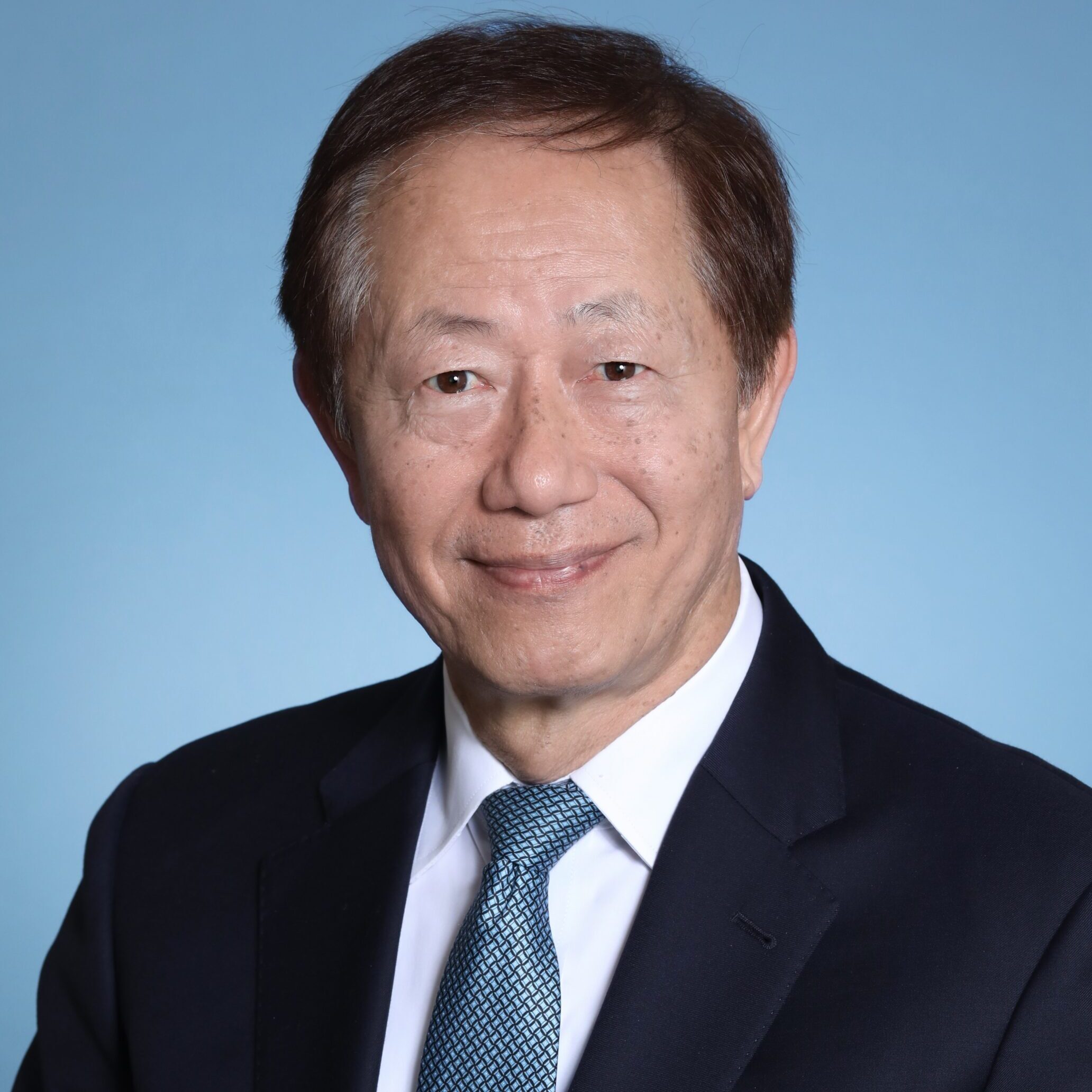
Mark Liu
TCIP Center
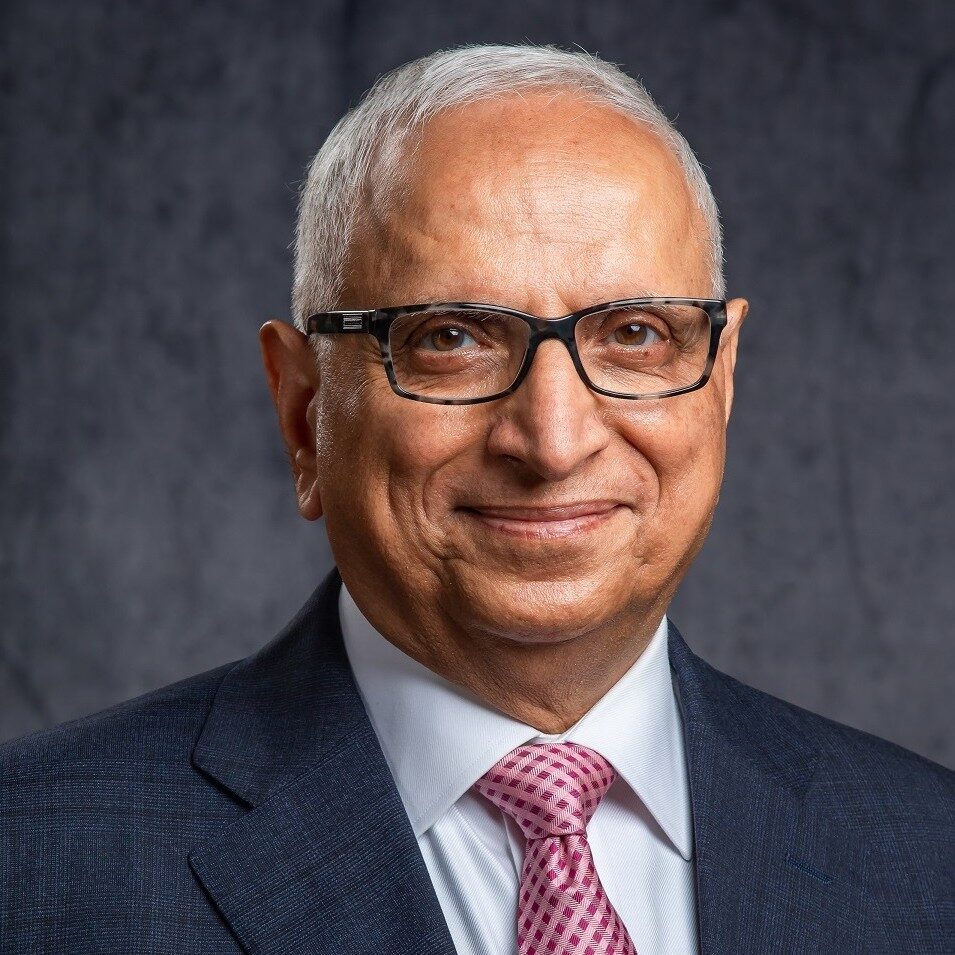
Ajit Manocha
SEMI

Kevin McGinnis
Arizona State University

Celia Merzbacher
Quantum Economic Development Consortium

Sara O'Rourke
JPMorgan Chase
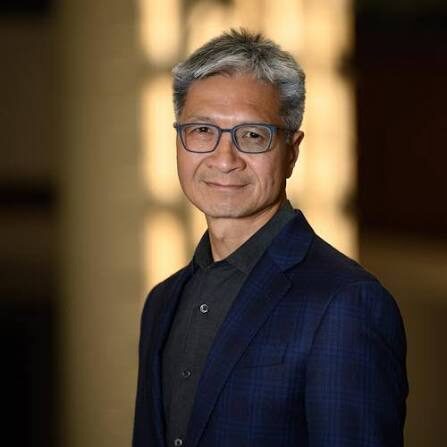
Victor Peng
PsiQuantum

Lindsay Rand
University of California, Berkeley

Andrew Reddie
University of California, Berkeley

Larry Rohrbough
TCIP Center
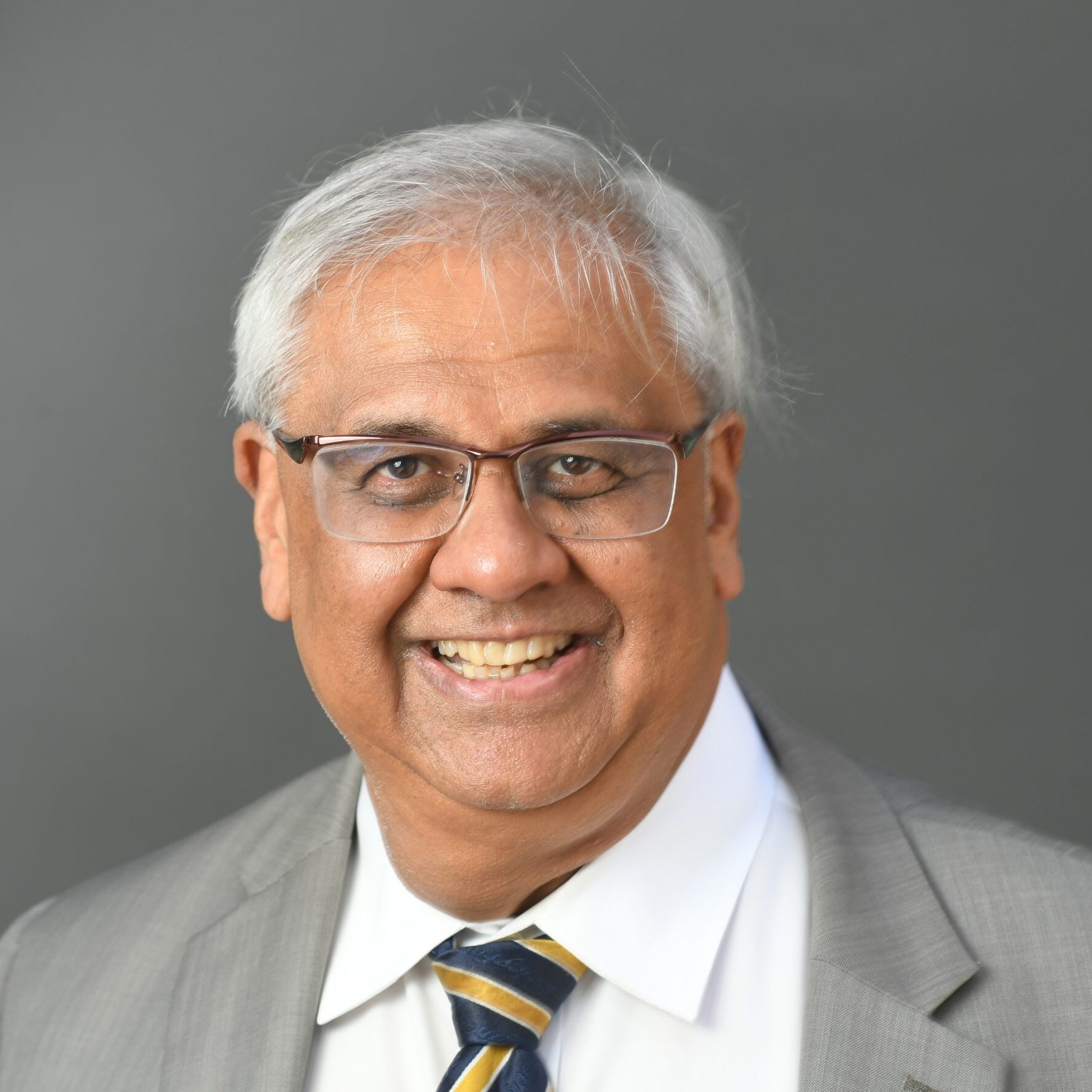
S. Shankar Sastry
University of California, Berkeley

Eric Schmidt
Relativity Space

Benjamin Schoefer
University of California, Berkeley

Rachel Slaybaugh
DCVC
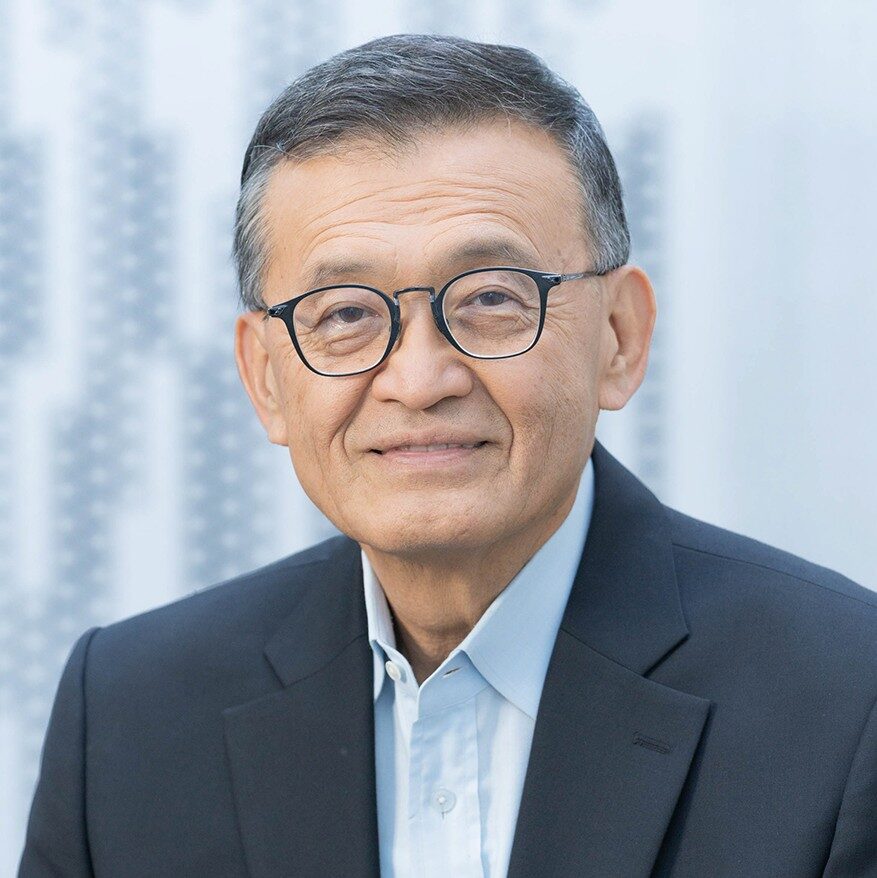
Lip-Bu Tan
Intel

Laura Tyson
University of California, Berkeley

Constanza Vidal-Bustamante
Center for a New American Security

Sandra Watson
Arizona Commerce Authority

H.-S. Phillip Wong
Stanford University

John Zysman
University of California, Berkeley



Agenda
THURSDAY, JULY 9, 2026
9:15 AM
Keynote Presentation: The Techonomics of Climate & Energy…at AI Speed
Aart de Geus (Synopsys, Inc.)
The global hunger for more energy and the urgent necessity for less emissions continue to collide at a measurably exponential rate! This astounding fact is now compounded by a massive demand of power to feed the AI computation hunger growing at its own, even faster exponential rate. Clearly, Techonomics, the intersection of technical innovation and economic scaling, is imperative to change the destiny of the climate-energy Dual Challenge. In his presentation, Aart will give a top-down overview of the forces at play while highlighting a variety of interwoven topics such as CO2 and Methane, renewables and storage, electric grid and market, to stimulate a broad discussion of the overall systemic complexity of energy and climate. He will close with a glimpse of the Methane reduction project he is presently involved in.
Panel Discussion: Energy Supply for Technology Competitiveness
Moderator: Larry Rohrbough (University of California, Berkeley)
- Aart de Geus (Synopsys, Inc.)
- Andrew Reddie (University of California, Berkeley)
- Rachel Slaybaugh (DCVC)
The exponential growth of artificial intelligence is straining the nation's energy infrastructure. Beyond generation, this massive electricity demand is outpacing grid expansion. Energy availability is now a primary driver of geopolitical technology competitiveness, and the nation must ensure regulatory speed to permit and deliver gigawatt-scale electricity to infrastructure providers. This panel will discuss ways in which technology policy and energy policy have structurally merged and how the global race for computational and AI dominance will not be decided by software optimization alone, but by which nations can most rapidly scale secure, clean energy infrastructure.
10:25 AM
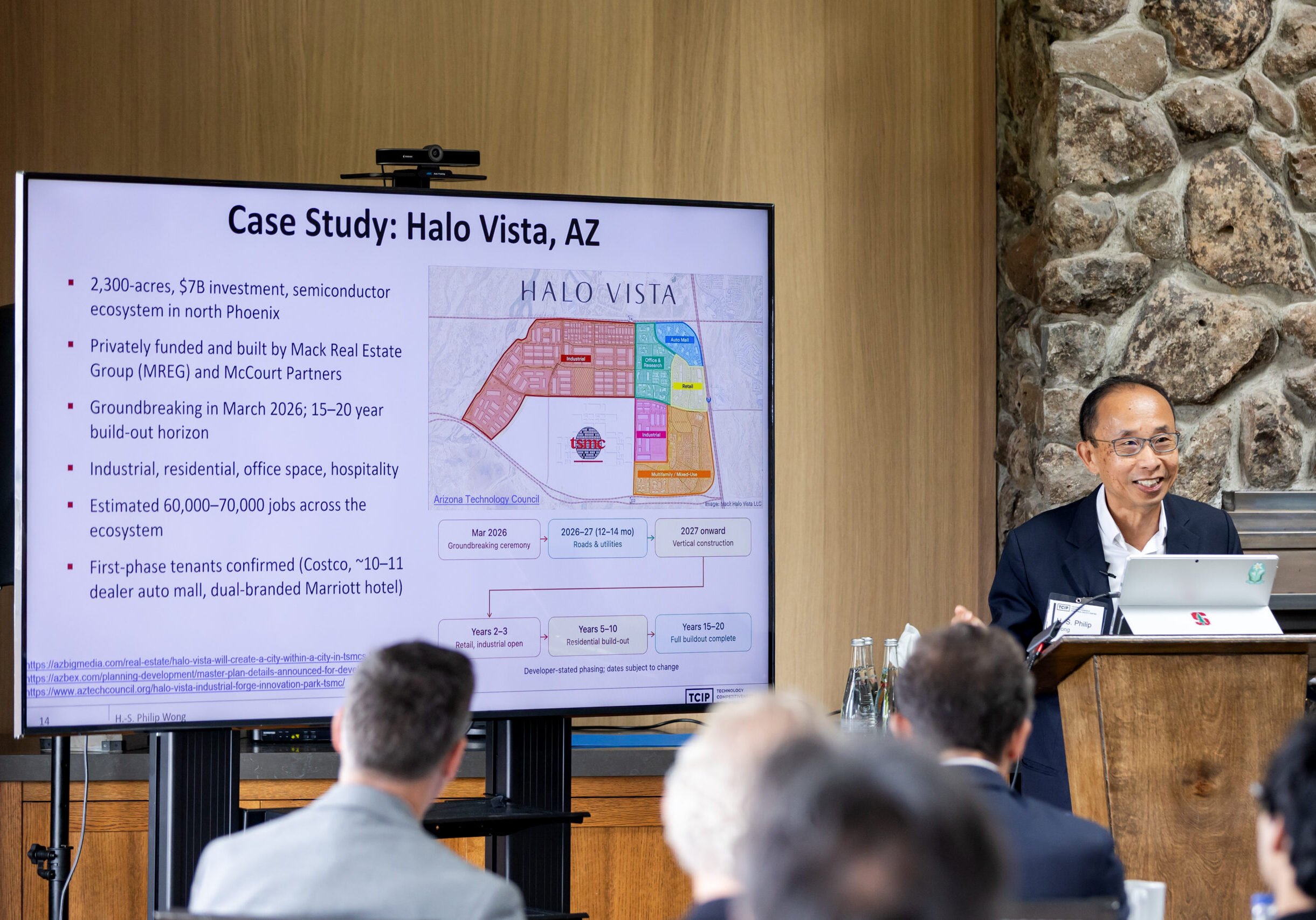
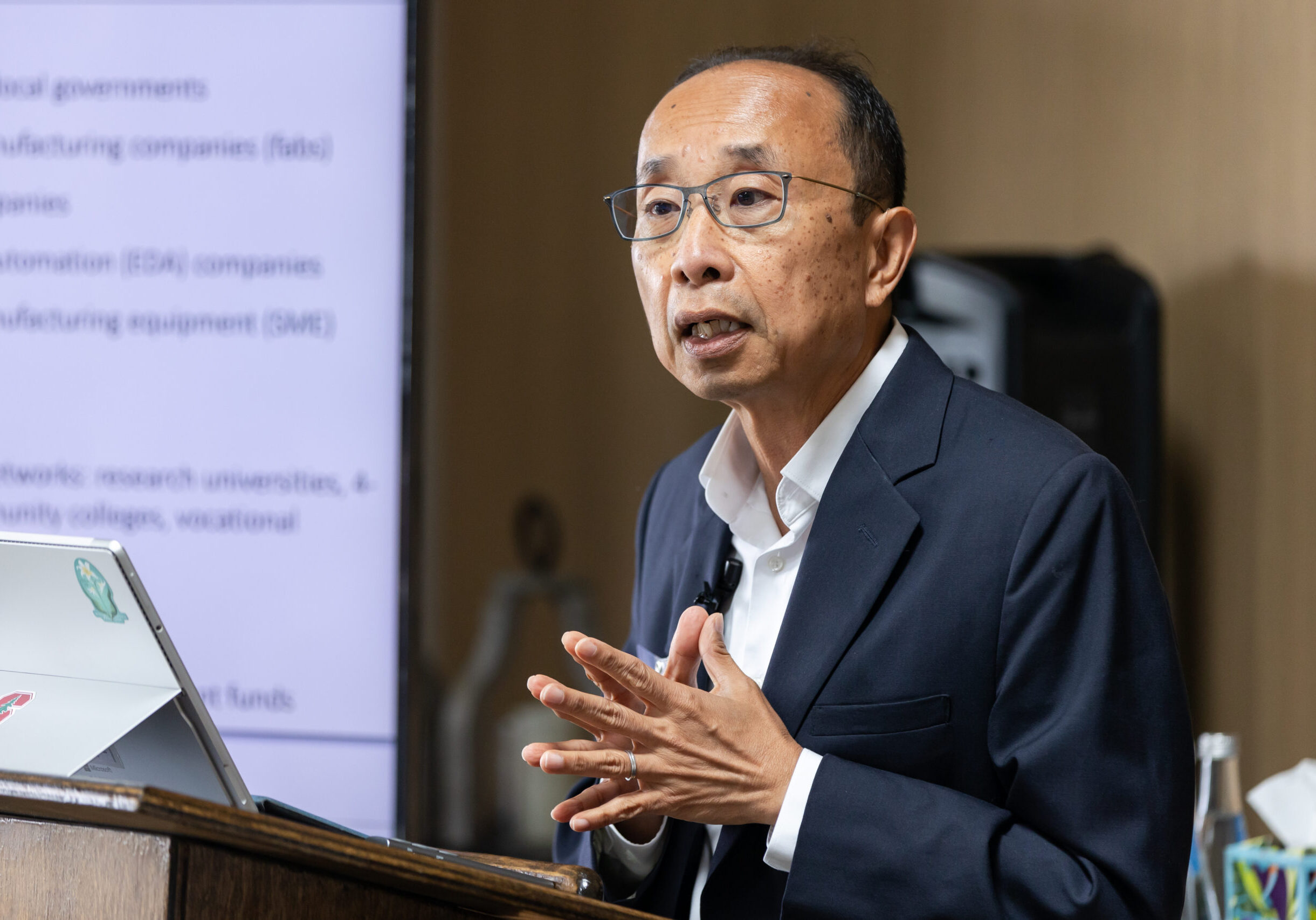
Keynote Presentation: Industrial Clusters: Where, Who, When, How, and Case Study
Philip Wong (Stanford University)
Developing industrial clusters is essential for bringing advanced technology manufacturing to the United States. This talk proposes that a public-private partnership of the federal, state, and local governments and private investors can catalyze Industrial Clusters for semiconductor manufacturing. I will outline a proposed legal framework, business model, and operational structure, informed by interviews with key industry stakeholders (including fab builders and their suppliers). I will give an analysis of the highly successful Hsinchu Science Park in Taiwan and give an overview of an emerging industrial cluster in the Phoenix, AZ, area.
Panel Discussion: The Case for Industrial Parks in the U.S.
Moderator: Deirdre Hanford (Semiconductor Consultant)
- Sara O'Rourke (JPMorgan Chase)
- Sandra Watson (Arizona Commerce Authority)
- Philip Wong (Stanford University)
Domestic re-shoring of advanced manufacturing and semiconductor fabrication is a U.S priority. As the nation aggressively pursues this, it must consider the use of master-planned industrial parks as not just a luxury, but a baseline requirement. Government and corporate investment in these public-private partnerships have the potential to yield operational benefits, cost savings, supply chain efficiencies, workforce productivity, and increased capacity over traditional, fragmented industrial zoning.
11:15 AM
Panel Discussion: Semiconductor Manufacturing and the Needs of Physical AI
Moderator: S. Shankar Sastry (University of California, Berkeley)
- Mark Liu (TCIP Center)
- Ajit Manocha (SEMI)
- Lip-Bu Tan (Intel)
AI is creating a new wave of semiconductor demand. The shift from training toward inference, agentic AI, robotics, and physical AI could dramatically expand demand for chips, with CPUs potentially becoming more important alongside GPUs. Memory, advanced packaging, power and energy infrastructure, and supply-chain resilience will be critical to meeting this new demand. U.S. semiconductor capacity matters for national security, but cost matters too. Speakers emphasized the tension between building domestic resilience and maintaining the cost competitiveness needed to sustain a viable industry. Strategic policy, they argued, can support semiconductor competitiveness, but unpredictable or overly interventionist policies can distort markets and slow innovation.
1:00 PM
Fireside Chat:
- Moderator: Shankar Sastry (University of California, Berkeley)
- Eric Schmidt (Relativity Space)
1:30 PM
Keynote Presentation: Skills-Based or Skill-Agnostic? Evidence of Firm-Level Responses to Regional Talent Constraints for Semiconductors
Christophe Combemale (Carnegie Mellon University)
Large scale industrial capacity building in the United States has been a bipartisan strategic priority across multiple administrations, with semiconductor fabrication among the most prominent examples. Among the many potential barriers to this capacity building effort, shortages of skill labor have commanded significant attention and public investment. Preliminary evidence suggested that greenfield sites for semiconductor investment had little or no incumbent workforce with an exact match for skills, leading to important open questions about what skill gaps could be closed in a timely and economical manner, and correspondingly the feasible workforce composition for operating advanced manufacturing capacity. Answering these questions has implications not only for the feasibility of onshore industrial development, but for goals of shared prosperity and the economic inclusion of regions and workers without a strong initial skill match. Our work, supported by TCIP, uses a novel approach to characterizing occupational skill demand for technician and higher-degree roles in semiconductors in terms of how they deviate from the general U.S. workforce. Applying these metrics to worker resume data to identify individuals hired by semiconductor firms at greenfield or expanded incumbent sites, we can identify the composition of new hires based on their occupational history -- this compositional information allows us to differentiate between workers whose prior experience suggests a close match with the demands of their new occupation ("skills-based hires"), and those workers whose skills are not significantly different from the general workforce ("skill-agnostic hires"). We find strong evidence for our proposed skill-agnostic hiring pattern, and moreover that the composition of apparently skills-based versus skill-agnostic hiring not only varies by occupation (more skill-agnostic hiring for technicians) but seems to respond to regional workforce conditions. This work provides early evidence from the new era of industrial capacity building on the degrees of freedom for firms to respond to regional talent constraints through workforce compositional choice, and it offers an analytical framework for extending beyond semiconductors to other critical industries.
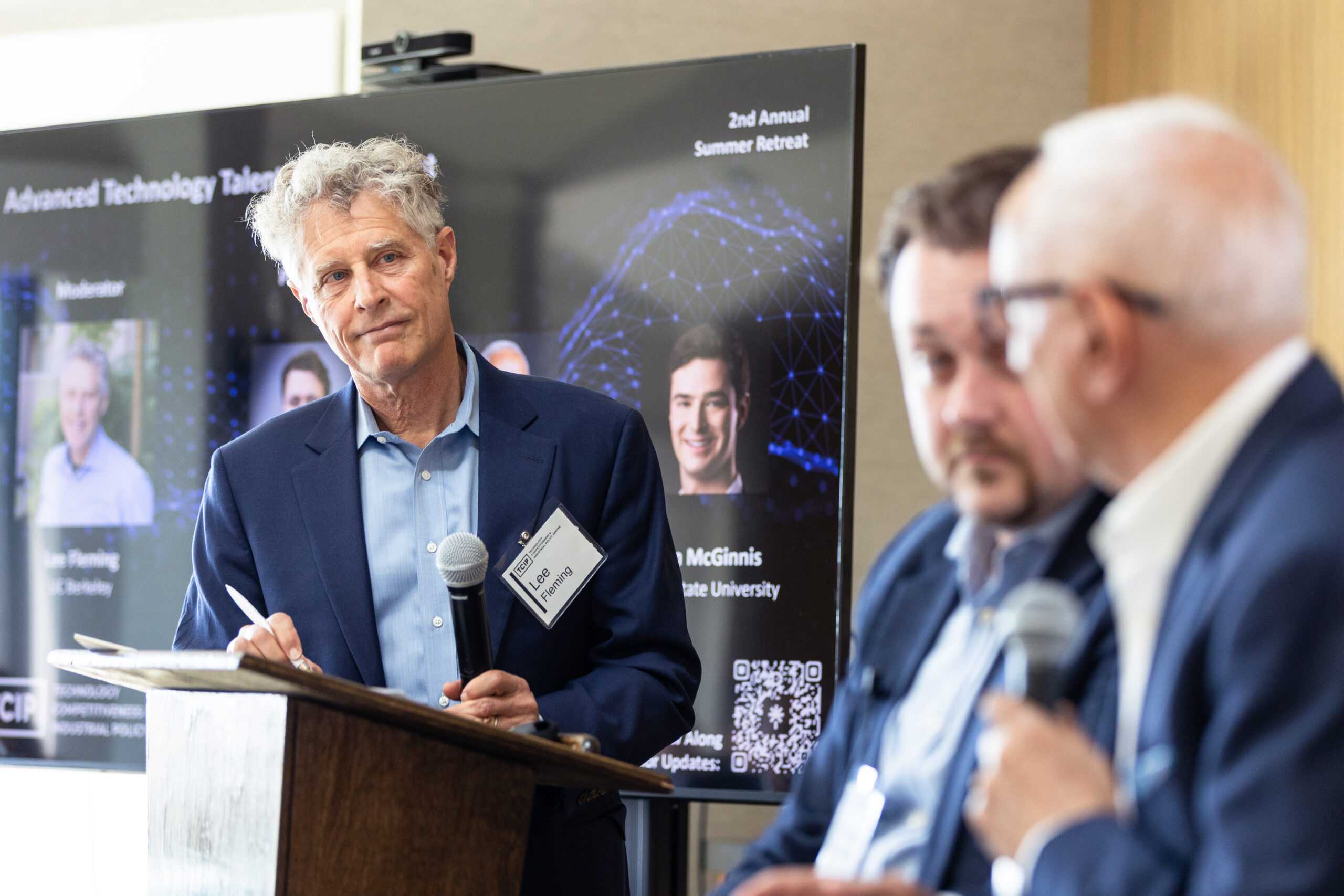
Panel Discussion: Advanced Technology Talent Development
Moderator: Lee Fleming (University of California, Berkeley)
- Christophe Combemale (Carnegie Mellon University)
- Ajit Manocha (SEMI)
- Kevin McGinnis (Arizona State University)
Advances in the development and deployment of technology have revealed a massive gap between the velocity of technology innovation and the traditional speed of human education. This contrast can be seen in workforce support industries such as semiconductors, quantum computing, biomanufacturing, and artificial intelligence. A traditional four-year computer science or engineering degree can no longer guarantee industry readiness by graduation. Universities, for example, must move away from teaching technical basics and instead focus on skills that require critical thinking, experiential learning, and stackable micro-credentials. Companies must incentivize their workforce to broaden their portfolio of knowledge and pursue verified competencies. Ultimately, scaling advanced technology knowledge is an organizational feat and the nation must support the adaptation of its human capital via a continuous, agile loop of reinvestment and rapid skill acquisition.
3:15 PM
New Policy Study Previews
American Production in a Fractured Global Economy
John Zysman (University of California, Berkeley)
Production-Linked Innovation and Industrial Policy
Edlyn Levine (MIT Sloan School of Management)
The Reallocation Advantage: How U.S. Labor-Market Dynamism Powers the Development and Diffusion of Frontier Technology – and the AI Race with China
Benjamin Schoefer (University of California, Berkeley)
In these study previews, researchers discussed the new global economy, strategic industrial policy and U.S. labor market dynamism.
FRIDAY, JULY 10, 2026
9:00 AM
New Policy Study Previews (continued)
Developing Biomanufacturing as a Hedge Against Shocks to U.S. Chemical and Agricultural Supply Chains
Galen Dods (BioMADE)
From Lab to Market: Mapping Quantum Technology Supply Chain Risks and Opportunities
Lindsay Rand (University of California, Berkeley)
AI for the Public Benefit
Joel Dodge (Vanderbilt University)
In these study previews, researchers discussed biomanufacturing, quantum technology supply chains, and AI for public benefit.
10:15 AM
Keynote Presentation: Quantum's Industrial Moment: Strengthening U.S. Quantum Supply Chains
Constanza M. Vidal Bustamante (Center for a New American Security)
Quantum technologies are approaching a critical inflection point. Over the next three to five years, advanced quantum sensors and computers once confined to laboratories will begin to have real-world impact, with significant economic and national security implications. But the United States faces a major industrial challenge: its quantum supply chains are thin, globally dispersed—in some cases reliant on China and Russia—and poorly positioned for the transition to commercial utility, posing significant vulnerabilities for quantum's continued development and deployment. This talk will offer a framework for assessing these gaps across quantum hardware modalities, enabling technologies, and vulnerability categories, as well as recommendations to strengthen the industrial foundations of U.S. quantum leadership.
Panel Discussion: How to Achieve Quantum Technology Leadership
Moderator: Mark Asta (University of California, Berkeley)
- Claire Cramer (University of California, Berkeley)
- Celia Merzbacher (Quantum Economic Development Consortium)
- Constanza M. Vidal Bustamante (Center for a New American Security)
Achieving global leadership in quantum technology — spanning quantum computing, secure communication networks, and ultra-precise sensing — has shifted from an academic race into a high-stakes geopolitical and economic imperative. With competitor countries closing the gap, the U.S. cannot secure dominance through raw research funding alone. Sustainable leadership requires transitioning quantum science out of experimental physics labs and into a reliable, integrated, data-center-scale commercial ecosystems. The roadmap to securing a dominant position requires actionable coordination across government, industry, and academia. This may include codifying strategic national frameworks, securing a sovereign material supply chain, funding public-private production foundries, supporting co-design initiatives, and building a domain-specific quantum workforce.
Event Photos