
TCIP Center Publications
September 1, 2026 | Newsletter
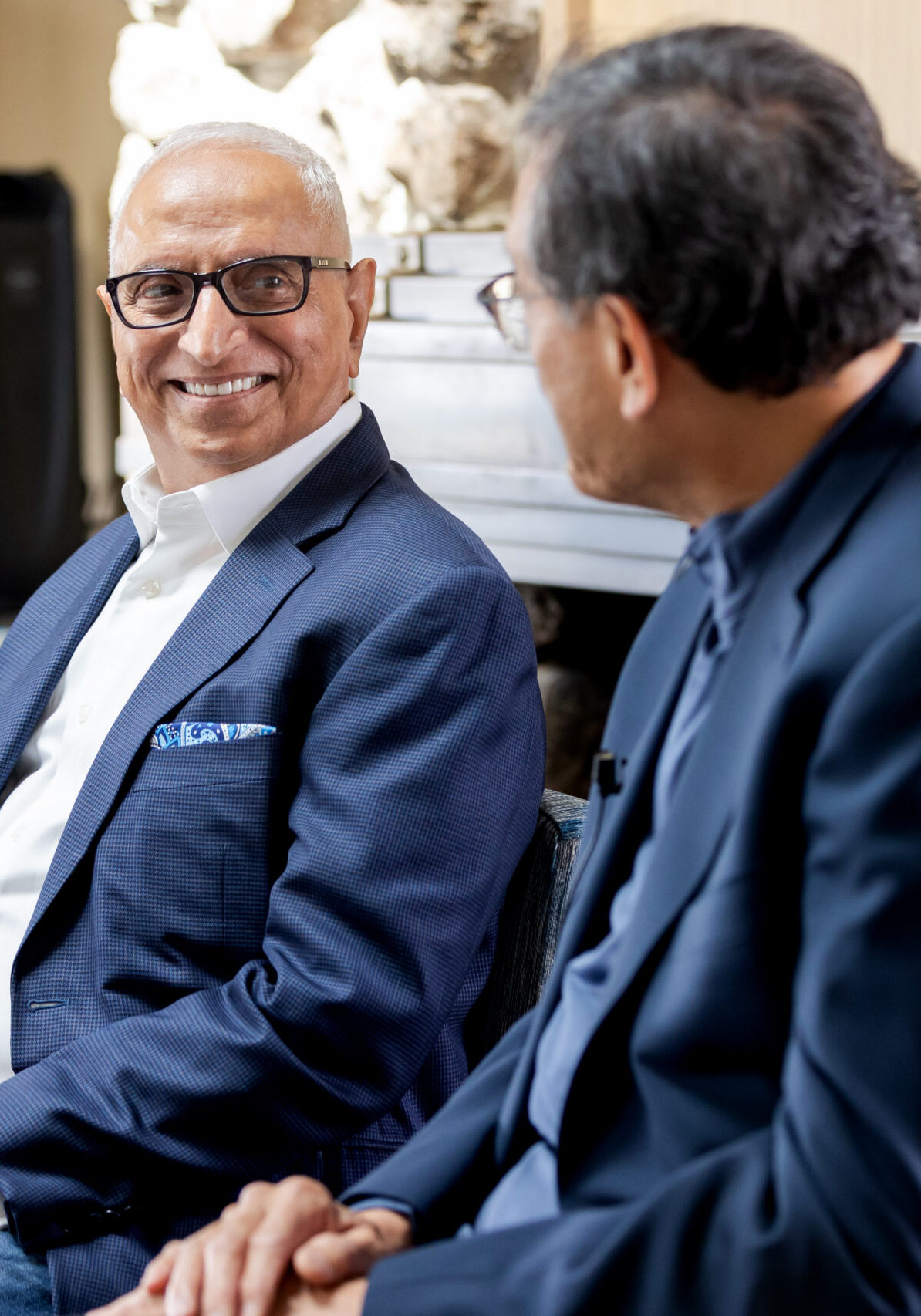
TCIP's Summer Newsletter reflects on two summer convenings which brought together leaders in academia, industry, and policy: our 2nd Annual Summer Retreat in Bodega Bay, CA and a Semiconductor Workshop at Stanford University. This summer also saw the publication of our policy study, “America’s Retreat in Electric Vehicles: Economic Security, Prosperity, and the Industrial Future,” by Dr. Laura Tyson, Dr. Susan Helper, Dr. Martin Kenney, Dr. John Zysman, and Anna Duffy. As China has surged ahead in E.V.s and the technologies that power them, the report argues, the United States needs a coordinated industrial strategy to remain competitive. The newsletter also highlights recent appearances by TCIP authors and Board members in the news, and announces our new Substack. Subscribe here for regular short opinion pieces on tech-related news!
June 25, 2026 | Report
Susan Helper, Case Western University
Martin Kenney, University of California, Davis
Laura Tyson, University of California, Berkeley
John Zysman, University of California, Berkeley
Anna Duffy, Molecule Ventures
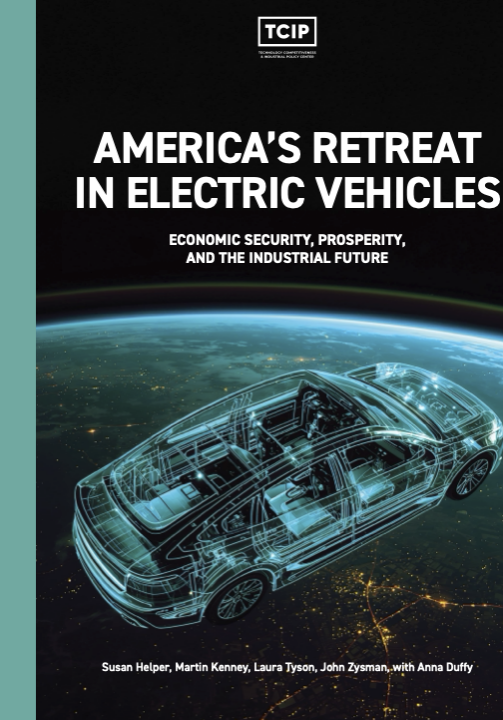
This report is the output of an assessment commissioned by the TCIP Center at the University of California, Berkeley to address the global automotive industry's transformation from internal combustion engine vehicles (ICEVs) to electric vehicles (EVs) and the ways in which it represents a fundamental reordering of global value chains, industrial capabilities, and strategic in-fluence. Technologies core to EVs (batteries and their components, motors and magnets, semiconductors, software) have broad applications in other industries, including energy production and defense.
May 19, 2026 | Newsletter
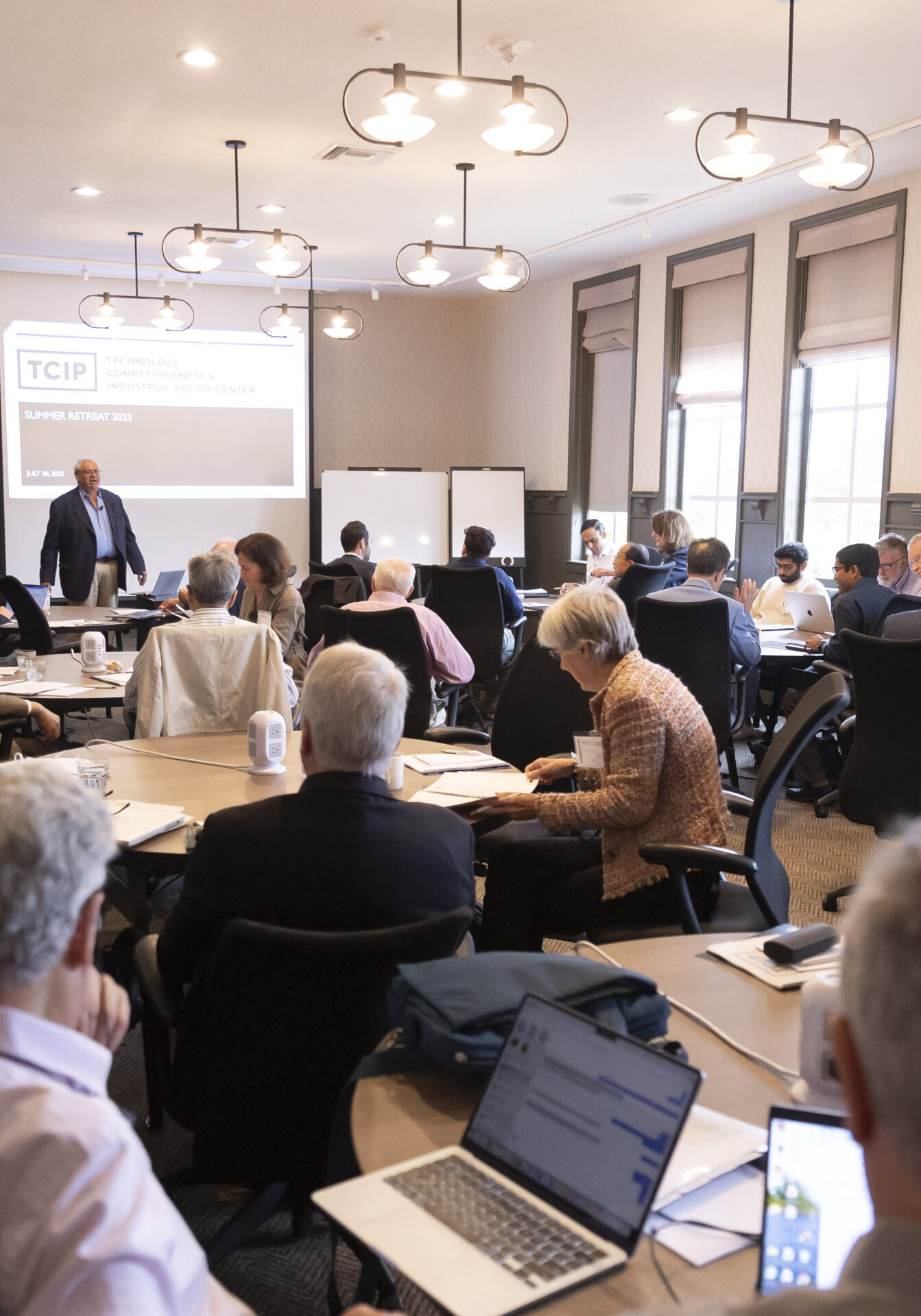
TCIP's Spring Newsletter includes an introductory note from our Faculty Director, Dr. S. Shankar Sastry that describes the Center's current research interests: electromechanical batteries, semiconductors, electric vehicles, and nuclear power. It also details recent TCIP happenings, including our first policy study publication, our 2026 Winter Working Group Event, 2025 Summer Retreat, our 2026 CFP for new policy studies, and the nomination of two of TCIP's leaders to the National Academy of Engineering. To sign up for our newsletter click here.
January 23, 2026 | Report
Edlyn Levine, MIT Sloan School of Management
Yet-Ming Chiang, Massachusetts Institute of Technology
Fiona E. Murray, MIT Sloan School of Management
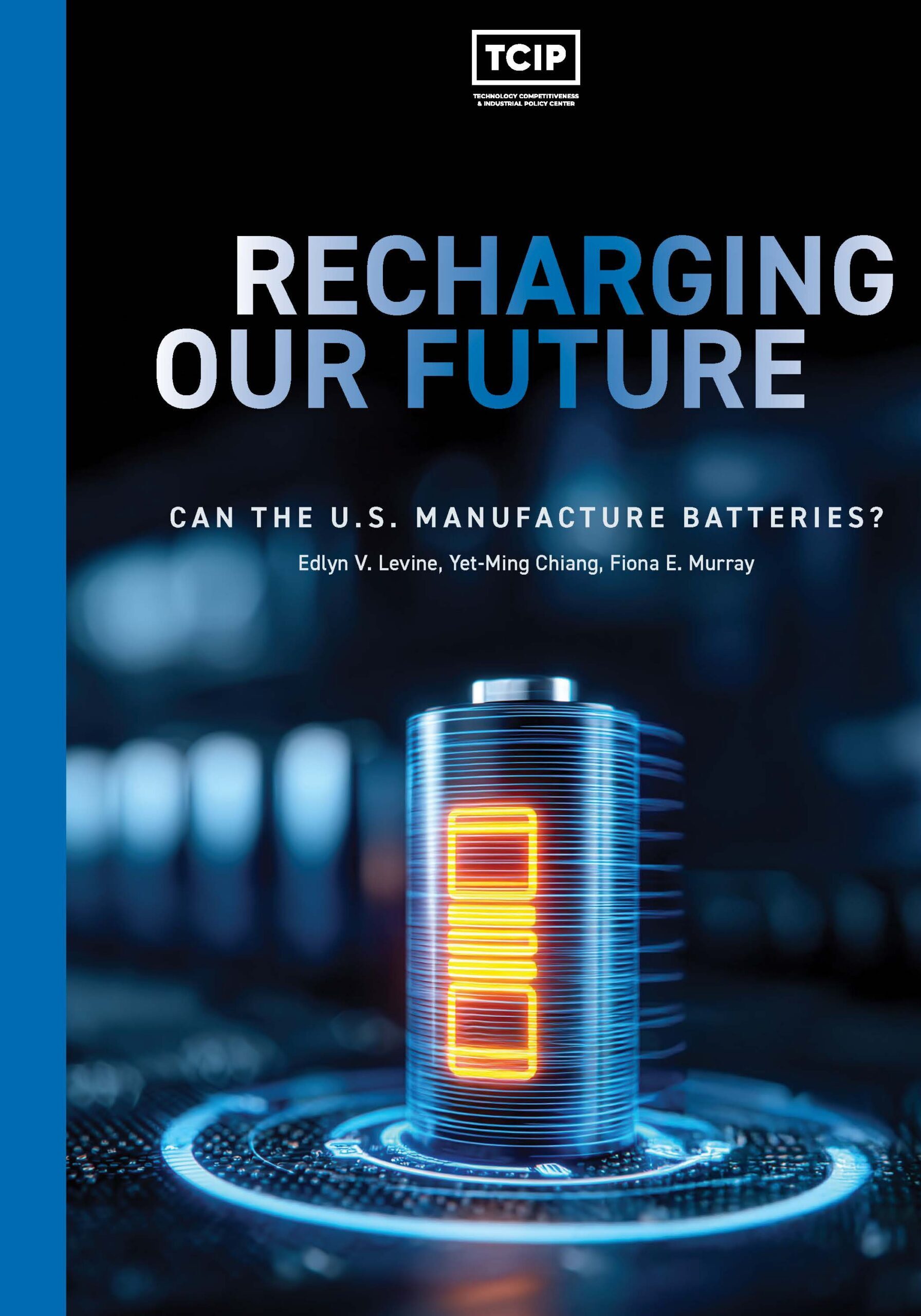
This report is the output of an assessment commissioned by the TCIP Center at the University of California, Berkeley to understand the state of lithium-ion battery manufacturing in the United States. It is based on data analysis, insights from expert interviews, and a review of industrial policy choices and their effects. The study addresses U.S. dependence on China for battery imports, an appropriate and competitive strategy to build up domestic battery production capacity, and structural failings that led to offshoring of the production of U.S. battery innovations.

May 6, 2025 | Opinion
Rafael Reif, Massachusetts Institute of Technology
In this Foreign Affairs essay, MIT President Emeritus L. Rafael Reif warns that the United States is at risk of losing its longstanding global leadership in science and technology. This dominance was built over decades through sustained investment in research and development, academic freedom, and an openness to international talent. However, Reif argues that these pillars are being eroded by a mix of federal funding cuts, political interference in universities, and immigration policies that deter the very scientists who once fueled American innovation.

April 3, 2025 | Opinion
Victoria Coleman, University of California, Berkeley
H.-S. Philip Wong, Stanford University
In this opinion, UC Berkeley Professor Victoria Coleman and Stanford University Professor H.-S. Philip Wong stress the importance of technological development in the context of ensuring economic power. It is in the Nation's interest to ensure the promotion of technology development, including bridging the "lab-to-fab" gap. Technology policy must also be approached not as a one-time fix but as an ongoing commitment that include both nurturing inventions and actively encourage domestic scaling.